Biola University

Are Your Thoughts Helpful or Unhelpful?
Understanding Cognitive Distortions
Christmas Music is More Than Just Calming, It’s Connective
Music therapy professor provides insight into why listening to Christmas music can feel so good
Creating Rhythms of Rest for Sleep Week 2023
Ways rest can draw us closer to God
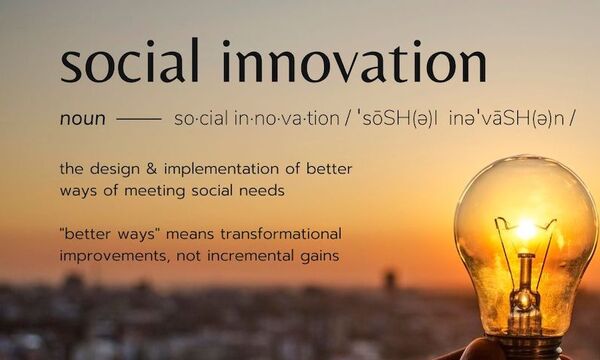
Social Innovation: Blending Business with Impact
Exploring how business can be a vessel for positive change
Navigating Growth in the New Year
Seeing God’s truth while setting new goals and intentions
Five Resources for the Home Stretch
Ways to feel strengthened and supported at Biola
Native American Heritage Month
Learn more about the history and culture of Native Americans
How Can Gratitude Improve Your Life?
Researchers on gratitude share their discoveries and give practical ways you can incorporate gratitude into your life at an upcoming conference.
Finding Peace in the Pieces
A reflection on Mental Health Awareness Week
Three Ways to Combat Stress and Burnout this Semester
How exercise, sleep and nutrition can help you feel better
Finding Your Calling in College
Seeking ways to show the world Jesus
Why Emotional Well-Being Can Be Confusing
Clarifying the meaning of emotional well-being
Level Up Your Career Part 2
How Students & Alumni Secured Jobs after Biola
Level Up Your Career Part 1
How Students & Alumni Secured Jobs after Biola
.jpg)
.jpg)
.jpg)
.png)
.png)

_800x480c.jpeg)


.jpeg)







.jpg)

Upcoming Events
![Bells]()
Undergraduate Baccalaureate Service
- Thu, May 2
- 7:00 p.m.
![Crowell School of Business]()
Crowell School of Business MBA & MALI Information Session - Virtual
- Mon, May 13
- 12:00 p.m.
![Talbot1]()
Virtual Event - Talbot Faculty Live Lecture: Dr. Alan Hultberg
- Mon, May 20
- 5:30 p.m.
![Crowell School of Business]()
Crowell School of Business MPAcc Information Session - Virtual
- Mon, May 20
- 6:00 p.m.
![Biola Blockbusters : Outdoor Summer Movie Nights]()
Biola Blockbusters: Outdoor Summer Movie Nights
- Wed, May 29
- 7:00 p.m.